
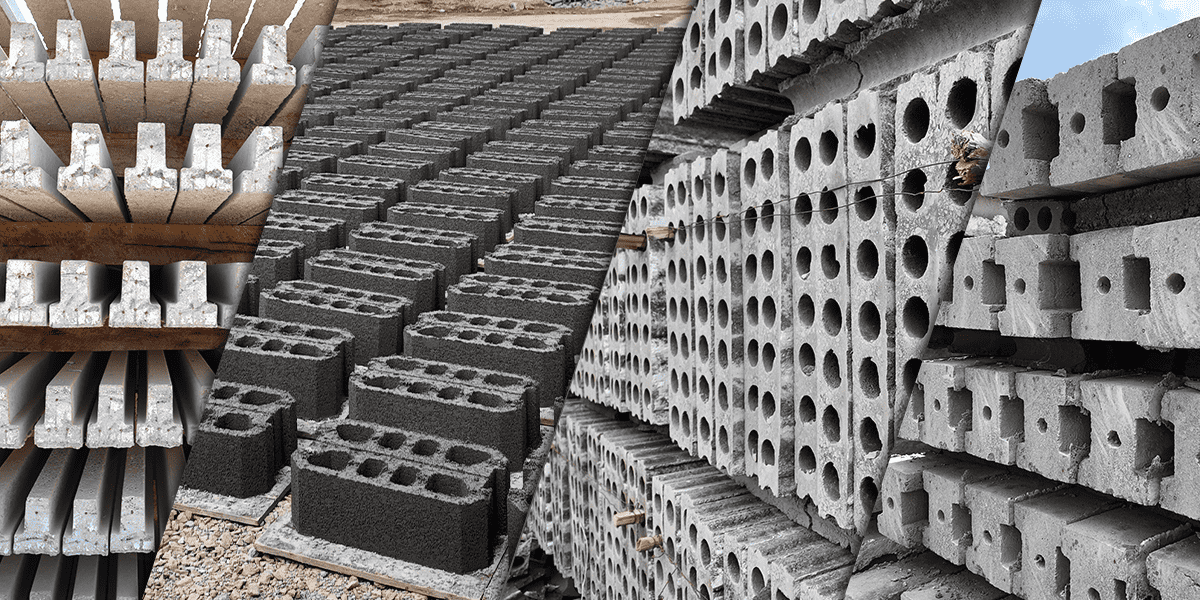
Precast concrete is becoming increasingly visible on construction sites, particularly as property owners and developers look for construction methods that offer consistency, efficiency and better control over the building process. But as with any construction material, choosing precast should involve more than finding a supplier and comparing prices. Not every product is manufactured in the same way, and not every supplier offers the same level of technical support. For a customer, understanding what you are buying is just as important as negotiating the price.
Before purchasing precast products, here are twelve practical questions worth asking your supplier.
1. What exactly am I buying?
Start with the basics. Ask for clear information about the product, including its dimensions, intended application, specifications and the components required for installation. A good supplier should be able to explain the complete system rather than simply quoting the price of an individual panel or post.
2. How are the products manufactured?
The manufacturing process has a direct influence on the quality and consistency of precast concrete. Find out whether the components are produced using proper moulds and defined production procedures, and whether the manufacturer has quality-control measures in place.
3. What type of concrete is being used?
Concrete quality matters. Customers should be able to obtain information about the concrete specifications used for the product and understand whether the material is appropriate for its intended application.
4. How is the concrete cured?
Curing is an important part of concrete production because it allows concrete to develop its required properties. A supplier should be able to explain its curing process rather than treating curing as an afterthought.
5. What reinforcement is used?
Where reinforcement forms part of the product design, customers should understand what type of reinforcement is incorporated and its purpose. The reinforcement should be appropriate to the engineering requirements of the component.
6. What quality standards or specifications does the product meet?
Do not be afraid to ask for evidence of the standards and specifications applicable to the product. Reliable construction suppliers should be able to explain the quality requirements their products are designed and manufactured to meet.
7. Is installation included?
The quality of the product is only part of the final result. Find out whether the supplier provides installation, recommends an installation team or provides technical guidance. Understanding this before purchase helps avoid unexpected responsibilities and costs later.
8. What foundation or supporting structure is required?
A precast wall does not exist independently of the ground beneath it. The foundation, posts, channels and panels need to work together as a system. Your supplier should be able to explain the site requirements and any preparation needed before installation begins.
9. How will the products be transported?
Precast components need to be handled appropriately during loading, transportation and offloading. Ask how delivery is organised and what precautions are taken to minimise damage during transportation.
10. What happens if a component is damaged?
It is worth understanding the supplier's process for dealing with damaged, defective or incorrectly supplied components before the project starts. A clear process can prevent unnecessary disputes and delays later.
11. What support will I receive after purchase?
Construction does not end when the materials are delivered. Technical guidance, installation support and communication with the supplier can make a significant difference, particularly for customers using precast for the first time.
12. Can you show me previous projects?
One of the simplest ways to understand a supplier's capabilities is to look at completed work. Ask to see previous installations and, where possible, speak to customers who have used the products. A supplier should be comfortable demonstrating its experience. These questions are not intended to make purchasing precast complicated. They are meant to make the customer more informed.
For customers considering precast, the goal should not simply be to find the cheapest supplier. It should be to find a supplier that can demonstrate quality, technical competence, consistency and accountability.
A good supplier should welcome informed customers. In fact, asking difficult questions is one of the best things you can do before committing your money to any construction project. Do not just buy the product. Understand the product, the system behind it and the people responsible for delivering it.